Thank you for writing to us. One of our executive will reach back to you through your submitted medium. In case there’s an urgency, feel free to connect over WhatsApp for faster response.
Prefer calling? Dial +919356655873 (International callers) or +919356655873 (Indian callers).
Cephalexin 250 mg capsules are first-generation cephalosporin antibiotics used to treat bacterial infections of the skin, respiratory tract, urinary tract (cystitis), and ears. It acts by inhibiting bacterial cell wall synthesis. It is generally taken every 6 hours or 500 mg every 12 hours, with or without food.
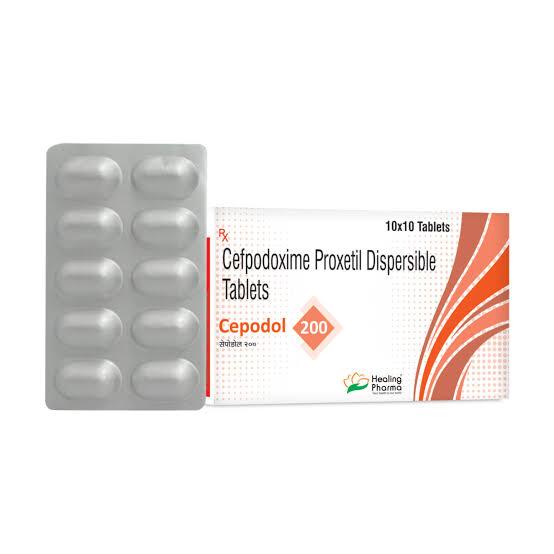
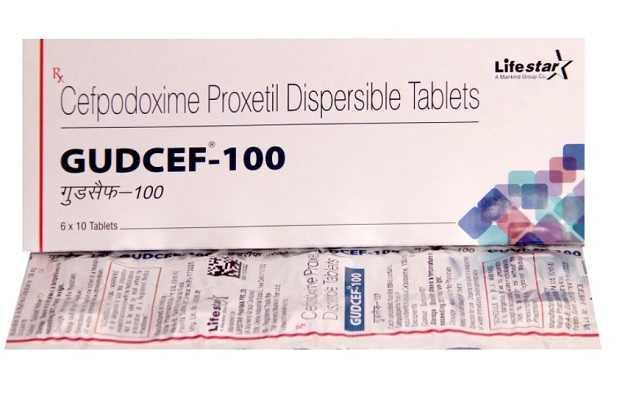
Cefpodoxime Proxetil 100 mg (often branded as Cepodol DT or similar by Healing Pharma) is a third-generation, broad-spectrum antibiotic used to treat bacterial infections like respiratory tract infections (bronchitis, pneumonia), ear, nose, throat, and urinary tract infections. It kills bacteria by inhibiting cell wall synthesis.
Cefpodoxime Proxetil 100 mg (often branded as Cepodol DT or similar by Healing Pharma) is a third-generation, broad-spectrum antibiotic used to treat bacterial infections like respiratory tract infections (bronchitis, pneumonia), ear, nose, throat, and urinary tract infections. It kills bacteria by inhibiting cell wall synthesis.
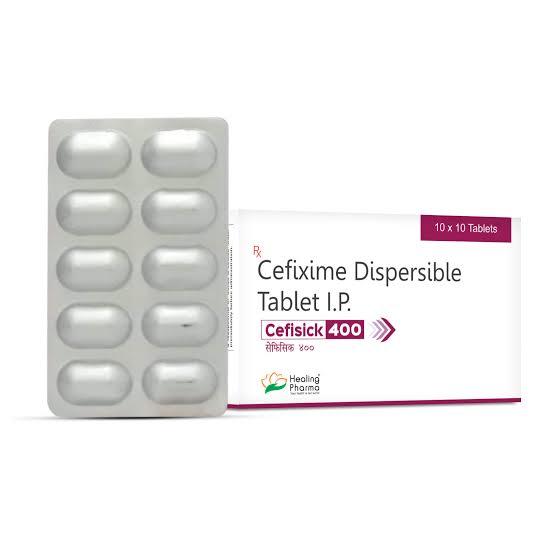
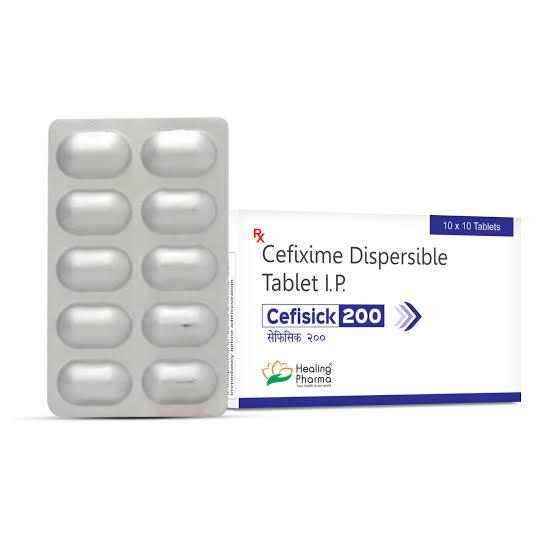
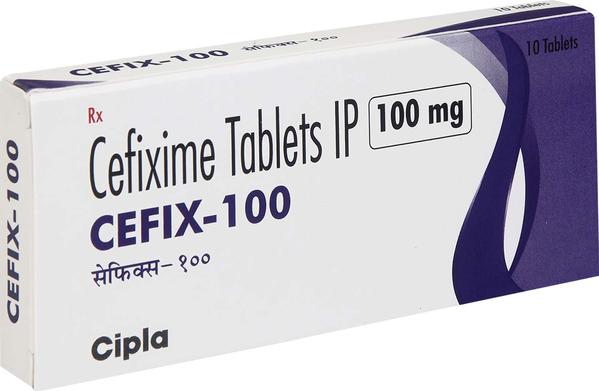
Cefixime is a third-generation cephalosporin antibiotic used to treat various bacterial infections, including respiratory tract (bronchitis, pneumonia), urinary tract (UTI), ear, throat, and sinus infections. It works by inhibiting bacterial cell wall synthesis. It is often prescribed as a dispersible tablet (DT) for children and adults
Cefixime is a third-generation cephalosporin antibiotic used to treat various bacterial infections, including respiratory tract (bronchitis, pneumonia), urinary tract (UTI), ear, throat, and sinus infections. It works by inhibiting bacterial cell wall synthesis. It is often prescribed as a dispersible tablet (DT) for children and adults
Cefixime is a third-generation cephalosporin antibiotic used to treat various bacterial infections, including respiratory tract (bronchitis, pneumonia), urinary tract (UTI), ear, throat, and sinus infections. It works by inhibiting bacterial cell wall synthesis. It is often prescribed as a dispersible tablet (DT) for children and adults
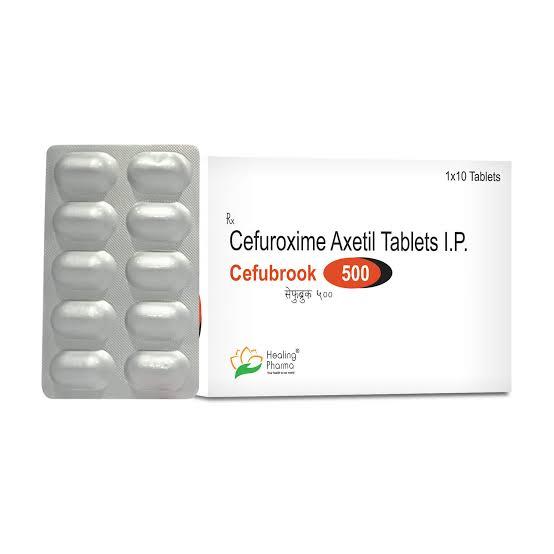
Cefuroxime is a second-generation cephalosporin antibiotic used to treat bacterial infections of the respiratory tract (pneumonia, bronchitis), skin, ears, throat, tonsils, sinuses, and urinary tract. It works by inhibiting bacterial cell wall synthesis, effectively killing bacteria or preventing their growth.
Cefuroxime is a second-generation cephalosporin antibiotic used to treat bacterial infections of the respiratory tract (pneumonia, bronchitis), skin, ears, throat, tonsils, sinuses, and urinary tract. It works by inhibiting bacterial cell wall synthesis, effectively killing bacteria or preventing their growth.
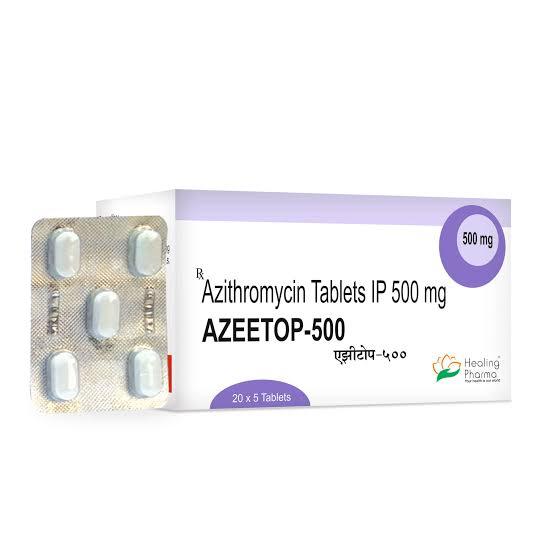
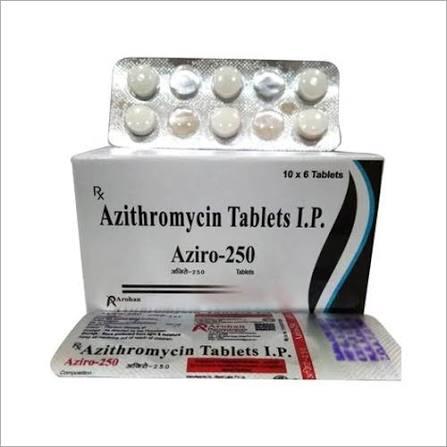
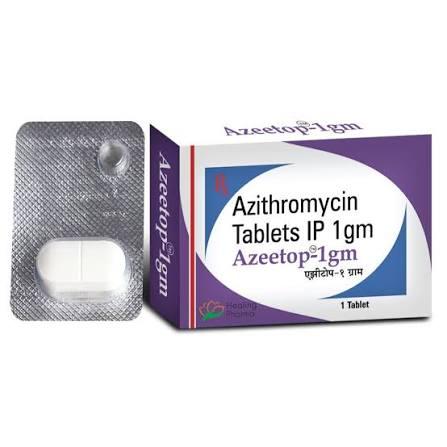
azithromycin is commonly used as a single-dose, fast-acting treatment for specific bacterial infections, most notably Chlamydia trachomatis (genital infections) and, in some cases, to treat certain respiratory infections like pneumonia or bronchitis. It acts as a broad-spectrum antibiotic, often taken as a one-time dose to ensure compliance.
MedlinePlus (.gov)
MedlinePlus (.gov)
+4
Primary Uses for 1000 mg Azithromycin:
Sexually Transmitted Infections (STIs): A standard single dose of 1 gram is used for chlamydia and early-stage syphilis (if penicillin cannot be used) or to treat non-gonococcal urethritis or cervicitis.
Respiratory Infections: It is used for community-acquired pneumonia or exacerbations of chronic bronchitis.
Other Potential Uses: It may be used for other severe infections, such as those caused by Mycobacterium avium complex (MAC) in immunocompromised patients, or in specific, non-routine scenarios where a high, acute dose is needed.
MedlinePlus (.gov)
MedlinePlus (.gov)
+4
Key Considerations:
Mechanism: It works by killing or preventing the growth of bacteria, not viruses.
Dosage: A 1000 mg dose is sometimes taken as two 500 mg tablets at once.
Common Side Effects: Diarrhea, vomiting, nausea, and abdominal pain are common.
Limitations: It will not work for colds or flu.
Mayo Clinic
Mayo Clinic
+4
It is essential to take this medication only under the guidance of a healthcare professional.
Azithromycin Dosage: Form, Strengths, How to Take, and More - Healthline
Key takeaways. Azithromycin dosing varies based on the specific bacterial infection being treated, with most adults taking between 500 mg and 2,000 mg depending...
Healthline
Azithromycin: MedlinePlus Drug Information
Azithromycin is used to treat certain bacterial infections, such as bronchitis; pneumonia; sexually transmitted diseases (STD); and infections of the ears, lung...
MedlinePlus (.gov)
Azithromycin oral tablet dosage: Form, strengths, and more
Table_title: Dosage for urethritis and cervicitis Table_content: header: | Infection | Recommended dose | Length of treatment | row: | Infection: urethritis or ...
Medical News Today
1m
Azithromycin: Uses, How It Works, and Possible Side Effects | GoodRx
YouTube·GoodRx
Azithromycin (oral route) - Side effects & dosage - Mayo Clinic
Description. Azithromycin is used to treat certain bacterial infections in many different parts of the body. This medicine may mask or delay the symptoms of syp...
Mayo Clinic
Single dose azithromycin treatment of gonorrhea and infections caused by ...
MeSH terms. Adolescent. Azithromycin / therapeutic use* Chlamydia Infections / complications. Chlamydia Infections / drug therapy* Chlamydia trachomatis* / drug...
National Institutes of Health (.gov)
About azithromycin - NHS
About azithromycin Brand name: Zithromax. Azithromycin is an antibiotic medicine. It's used to treat infections including: chest infections such as pneumonia. e...
nhs.uk
Azithromycin: Uses, Dosage, Side Effects and More - Apollo Hospitals
Azithromycin is effective in treating a range of bacterial infections, including: * Respiratory Tract Infections. Sinusitis. Bronchitis. Pneumonia. * Ear, Nose,
Apollo Hospitals
Azithromycin vs Amoxicillin: Which should you be prescribed?
Azithromycin can cause diarrhea, stomach pain, and nausea as side effects. It also has a rare risk of prolonging the QT interval, which may affect heart rhythm,
Drugs.com
Azithromycin: Side Effects and How to Manage Them
Abdominal pain Abdominal pain was a common side effect reported in studies of azithromycin. Besides pain, it may cause symptoms such as:
Healthline
This is for informational purposes only. For medical advice or a diagnosis, consult a professional. AI responses may include mistakes. Learn more
azithromycin is commonly used as a single-dose, fast-acting treatment for specific bacterial infections, most notably Chlamydia trachomatis (genital infections) and, in some cases, to treat certain respiratory infections like pneumonia or bronchitis. It acts as a broad-spectrum antibiotic, often taken as a one-time dose to ensure compliance.
MedlinePlus (.gov)
MedlinePlus (.gov)
+4
Primary Uses for 1000 mg Azithromycin:
Sexually Transmitted Infections (STIs): A standard single dose of 1 gram is used for chlamydia and early-stage syphilis (if penicillin cannot be used) or to treat non-gonococcal urethritis or cervicitis.
Respiratory Infections: It is used for community-acquired pneumonia or exacerbations of chronic bronchitis.
Other Potential Uses: It may be used for other severe infections, such as those caused by Mycobacterium avium complex (MAC) in immunocompromised patients, or in specific, non-routine scenarios where a high, acute dose is needed.
MedlinePlus (.gov)
MedlinePlus (.gov)
+4
Key Considerations:
Mechanism: It works by killing or preventing the growth of bacteria, not viruses.
Dosage: A 1000 mg dose is sometimes taken as two 500 mg tablets at once.
Common Side Effects: Diarrhea, vomiting, nausea, and abdominal pain are common.
Limitations: It will not work for colds or flu.
Mayo Clinic
Mayo Clinic
+4
It is essential to take this medication only under the guidance of a healthcare professional.
Azithromycin Dosage: Form, Strengths, How to Take, and More - Healthline
Key takeaways. Azithromycin dosing varies based on the specific bacterial infection being treated, with most adults taking between 500 mg and 2,000 mg depending...
Healthline
Azithromycin: MedlinePlus Drug Information
Azithromycin is used to treat certain bacterial infections, such as bronchitis; pneumonia; sexually transmitted diseases (STD); and infections of the ears, lung...
MedlinePlus (.gov)
Azithromycin oral tablet dosage: Form, strengths, and more
Table_title: Dosage for urethritis and cervicitis Table_content: header: | Infection | Recommended dose | Length of treatment | row: | Infection: urethritis or ...
Medical News Today
1m
Azithromycin: Uses, How It Works, and Possible Side Effects | GoodRx
YouTube·GoodRx
Azithromycin (oral route) - Side effects & dosage - Mayo Clinic
Description. Azithromycin is used to treat certain bacterial infections in many different parts of the body. This medicine may mask or delay the symptoms of syp...
Mayo Clinic
Single dose azithromycin treatment of gonorrhea and infections caused by ...
MeSH terms. Adolescent. Azithromycin / therapeutic use* Chlamydia Infections / complications. Chlamydia Infections / drug therapy* Chlamydia trachomatis* / drug...
National Institutes of Health (.gov)
About azithromycin - NHS
About azithromycin Brand name: Zithromax. Azithromycin is an antibiotic medicine. It's used to treat infections including: chest infections such as pneumonia. e...
nhs.uk
Azithromycin: Uses, Dosage, Side Effects and More - Apollo Hospitals
Azithromycin is effective in treating a range of bacterial infections, including: * Respiratory Tract Infections. Sinusitis. Bronchitis. Pneumonia. * Ear, Nose,
Apollo Hospitals
Azithromycin vs Amoxicillin: Which should you be prescribed?
Azithromycin can cause diarrhea, stomach pain, and nausea as side effects. It also has a rare risk of prolonging the QT interval, which may affect heart rhythm,
Drugs.com
Azithromycin: Side Effects and How to Manage Them
Abdominal pain Abdominal pain was a common side effect reported in studies of azithromycin. Besides pain, it may cause symptoms such as:
Healthline
This is for informational purposes only. For medical advice or a diagnosis, consult a professional. AI responses may include mistakes. Learn more
azithromycin is commonly used as a single-dose, fast-acting treatment for specific bacterial infections, most notably Chlamydia trachomatis (genital infections) and, in some cases, to treat certain respiratory infections like pneumonia or bronchitis. It acts as a broad-spectrum antibiotic, often taken as a one-time dose to ensure compliance.
MedlinePlus (.gov)
MedlinePlus (.gov)
+4
Primary Uses for 1000 mg Azithromycin:
Sexually Transmitted Infections (STIs): A standard single dose of 1 gram is used for chlamydia and early-stage syphilis (if penicillin cannot be used) or to treat non-gonococcal urethritis or cervicitis.
Respiratory Infections: It is used for community-acquired pneumonia or exacerbations of chronic bronchitis.
Other Potential Uses: It may be used for other severe infections, such as those caused by Mycobacterium avium complex (MAC) in immunocompromised patients, or in specific, non-routine scenarios where a high, acute dose is needed.
MedlinePlus (.gov)
MedlinePlus (.gov)
+4
Key Considerations:
Mechanism: It works by killing or preventing the growth of bacteria, not viruses.
Dosage: A 1000 mg dose is sometimes taken as two 500 mg tablets at once.
Common Side Effects: Diarrhea, vomiting, nausea, and abdominal pain are common.
Limitations: It will not work for colds or flu.
Mayo Clinic
Mayo Clinic
+4
It is essential to take this medication only under the guidance of a healthcare professional.
Azithromycin Dosage: Form, Strengths, How to Take, and More - Healthline
Key takeaways. Azithromycin dosing varies based on the specific bacterial infection being treated, with most adults taking between 500 mg and 2,000 mg depending...
Healthline
Azithromycin: MedlinePlus Drug Information
Azithromycin is used to treat certain bacterial infections, such as bronchitis; pneumonia; sexually transmitted diseases (STD); and infections of the ears, lung...
MedlinePlus (.gov)
Azithromycin oral tablet dosage: Form, strengths, and more
Table_title: Dosage for urethritis and cervicitis Table_content: header: | Infection | Recommended dose | Length of treatment | row: | Infection: urethritis or ...
Medical News Today
1m
Azithromycin: Uses, How It Works, and Possible Side Effects | GoodRx
YouTube·GoodRx
Azithromycin (oral route) - Side effects & dosage - Mayo Clinic
Description. Azithromycin is used to treat certain bacterial infections in many different parts of the body. This medicine may mask or delay the symptoms of syp...
Mayo Clinic
Single dose azithromycin treatment of gonorrhea and infections caused by ...
MeSH terms. Adolescent. Azithromycin / therapeutic use* Chlamydia Infections / complications. Chlamydia Infections / drug therapy* Chlamydia trachomatis* / drug...
National Institutes of Health (.gov)
About azithromycin - NHS
About azithromycin Brand name: Zithromax. Azithromycin is an antibiotic medicine. It's used to treat infections including: chest infections such as pneumonia. e...
nhs.uk
Azithromycin: Uses, Dosage, Side Effects and More - Apollo Hospitals
Azithromycin is effective in treating a range of bacterial infections, including: * Respiratory Tract Infections. Sinusitis. Bronchitis. Pneumonia. * Ear, Nose,
Apollo Hospitals
Azithromycin vs Amoxicillin: Which should you be prescribed?
Azithromycin can cause diarrhea, stomach pain, and nausea as side effects. It also has a rare risk of prolonging the QT interval, which may affect heart rhythm,
Drugs.com
Azithromycin: Side Effects and How to Manage Them
Abdominal pain Abdominal pain was a common side effect reported in studies of azithromycin. Besides pain, it may cause symptoms such as:
Healthline
This is for informational purposes only. For medical advice or a diagnosis, consult a professional. AI responses may include mistakes. Learn more
Amoxyclav 625 mg is a combination antibiotic (
amoxicillin +
clavulanic acid) used to treat various bacterial infections, including respiratory tract infections (pneumonia, bronchitis), sinusitis, ear infections (otitis media), urinary tract infections, and skin/soft tissue infections. It works by killing bacteria and overcoming resistance