

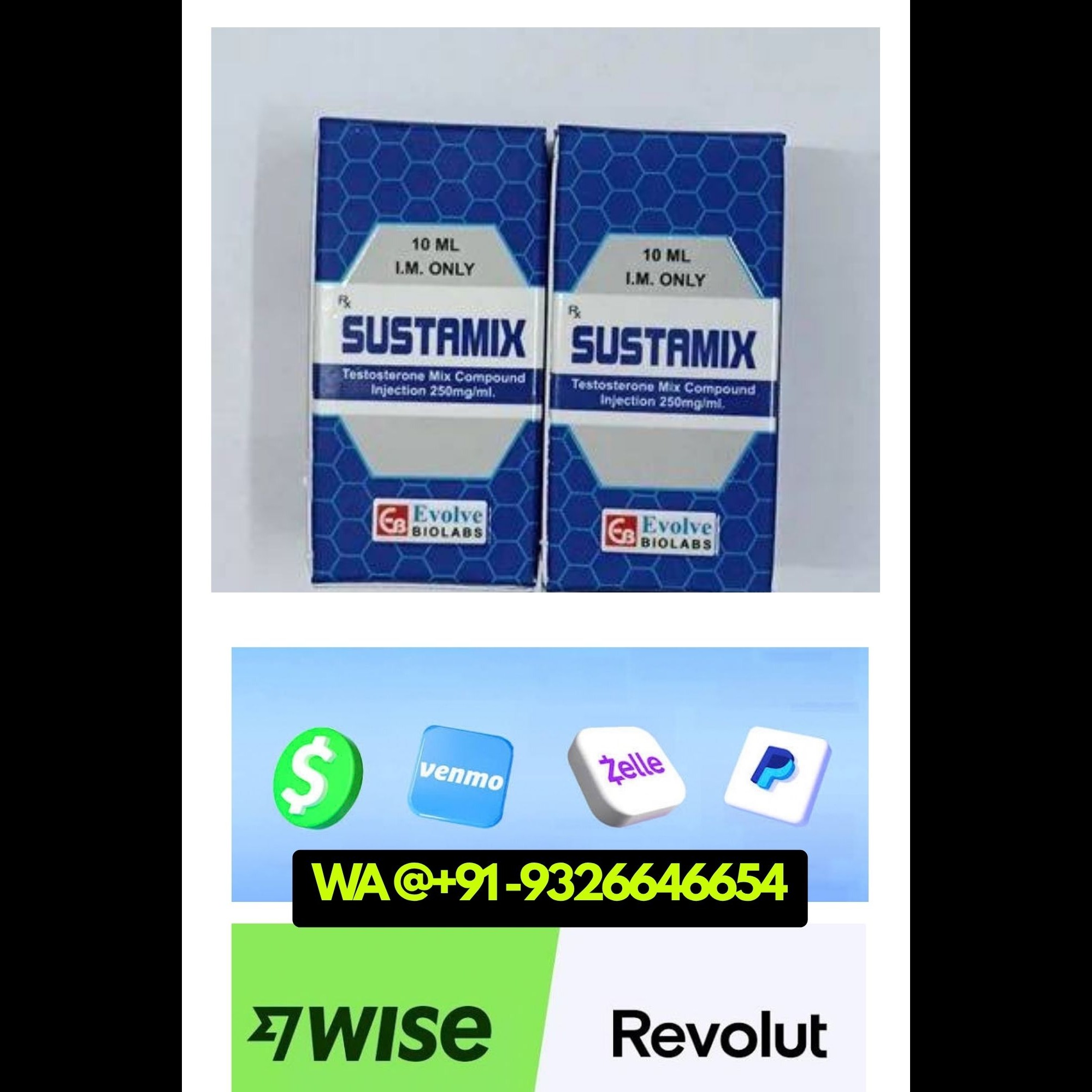
# **Testosterone Mix Compound 250 mg – Complete Medical Information, Patient Safety & Health Awareness Guide | RadhaKrishna Medmart**
## **Introduction to Testosterone Mix Compound 250 mg**
Testosterone Mix Compound 250 mg refers to an injectable testosterone formulation containing a combination of testosterone esters. Different formulations may contain different ester combinations, so the exact ingredients should always be verified from the manufacturer's approved product information.
Testosterone is an important naturally occurring androgen hormone responsible for several physiological functions, including male reproductive development, bone health, muscle maintenance, and red blood cell production.
Testosterone medications may be prescribed for specific medical conditions, such as clinically confirmed testosterone deficiency, following an appropriate medical evaluation.
RadhaKrishna Medmart promotes pharmaceutical awareness, responsible medication information, and patient safety education for international audiences.
## **Product Overview**
- **Product Name:** Testosterone Mix Compound
- **Strength:** 250 mg
- **Product Category:** Testosterone / Androgen Hormone
- **Dosage Form:** Injectable formulation (verify actual product presentation)
- **Active Ingredient:** Combination of testosterone esters (subject to manufacturer formulation)
- **Administration:** Intramuscular injection, where specified by the approved product information
- **Medical Classification:** Hormonal medication
- **Medical Use:** Testosterone replacement in appropriately diagnosed patients, depending on the specific formulation and regulatory approval.
**Important:** Testosterone Mix Compound 250 mg should not automatically be described as a tablet. Verify the actual dosage form, ingredients, and product labeling before publication.
## **Understanding Testosterone and Its Functions**
Testosterone is an essential hormone involved in several biological processes.
- Supporting male reproductive development.
- Maintaining bone mineral density.
- Supporting muscle development and maintenance.
- Contributing to red blood cell production.
- Influencing sexual function and libido.
- Supporting overall hormonal balance.
Testosterone levels naturally vary with age, health conditions, sleep, and other physiological factors.
## **Medical Uses of Testosterone Therapy**
Testosterone therapy may be considered by healthcare professionals for individuals with documented testosterone deficiency accompanied by relevant clinical symptoms.
Possible symptoms of testosterone deficiency include:
- Reduced libido.
- Persistent fatigue.
- Reduced muscle mass.
- Decreased bone density.
- Reduced energy levels.
- Mood changes.
- Reduced spontaneous erections.
A diagnosis requires appropriate clinical assessment and laboratory testing. Symptoms alone are not sufficient to establish testosterone deficiency.
## **Potential Side Effects and Health Risks**
Testosterone treatment can cause adverse effects, and appropriate monitoring is essential.
**1. Cardiovascular Health**
Patients should discuss cardiovascular risks and existing heart conditions with their healthcare professional.
**2. Blood-Related Changes**
Testosterone can increase red blood cell production and hematocrit. Excessive increases may require medical intervention.
**3. Hormonal Effects**
Possible effects include suppression of natural testosterone production, reduced sperm production, and impaired fertility.
**4. Skin-Related Effects**
Potential adverse effects include:
- Acne.
- Oily skin.
- Changes in hair growth.
- Male-pattern hair loss in susceptible individuals.
**5. Prostate Health**
Testosterone treatment requires appropriate prostate-health assessment in patients for whom such monitoring is indicated.
**6. Other Potential Effects**
Fluid retention, breast tenderness, changes in mood, and injection-site reactions may occur.
Seek medical attention for chest pain, sudden breathlessness, severe leg swelling, or other serious unexpected symptoms.
## **Important Precautions Before Testosterone Treatment**
Before starting testosterone therapy, healthcare professionals may evaluate:
- Total testosterone levels, usually with repeat morning testing.
- Complete blood count and hematocrit.
- Cardiovascular risk factors.
- Prostate health when appropriate.
- Fertility plans.
- Existing medical conditions.
- Current medications.
Testosterone therapy is generally not appropriate for individuals planning fertility in the near future because it can suppress sperm production.
## **Testosterone Mix Compound 250 mg and Pharmaceutical Regulations in the USA**
Testosterone is classified as a controlled substance under US federal law.
Its prescription, dispensing, distribution, possession, and importation are subject to applicable federal and state requirements.
Individuals researching testosterone medications in the United States sho