
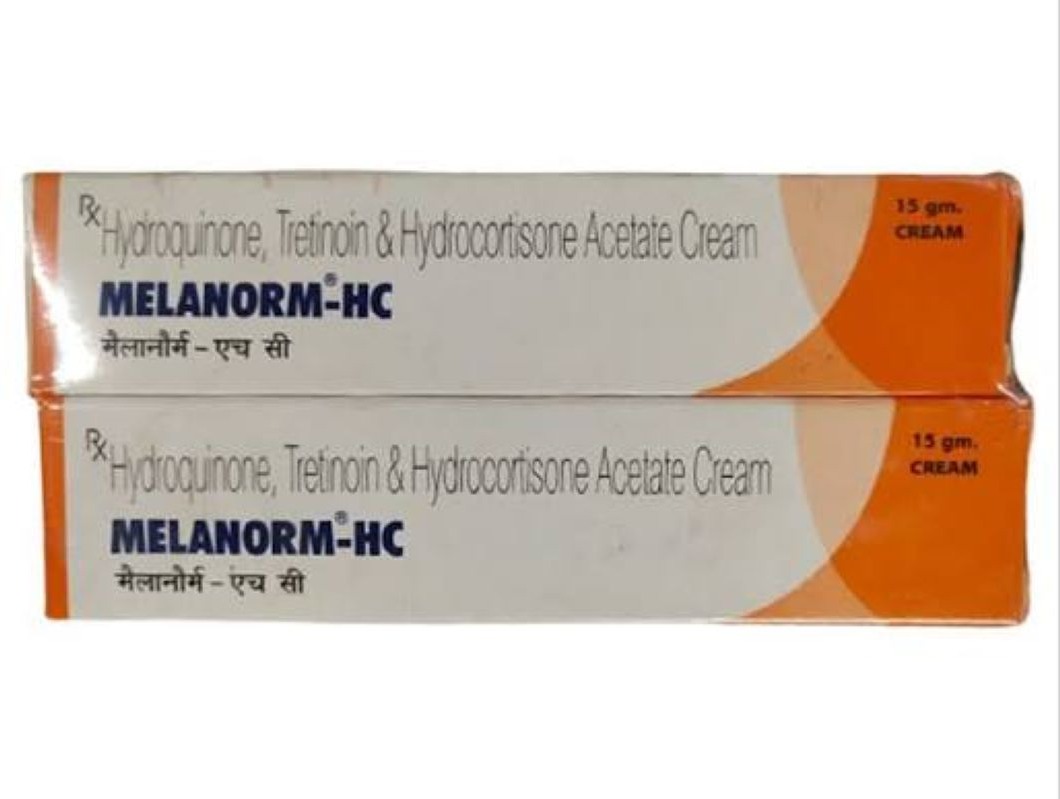
Hydroquinone + Tretinoin + Hydrocortisone: Dermatology Treatment Guide
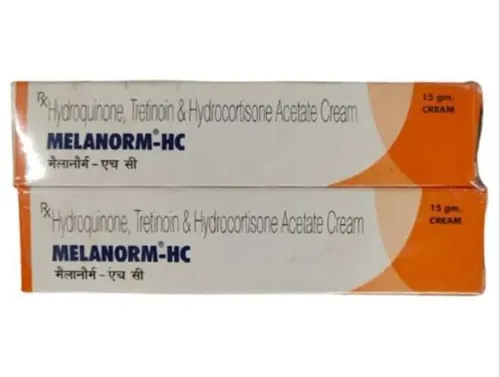
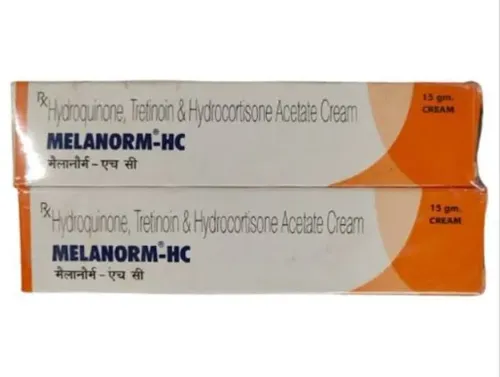
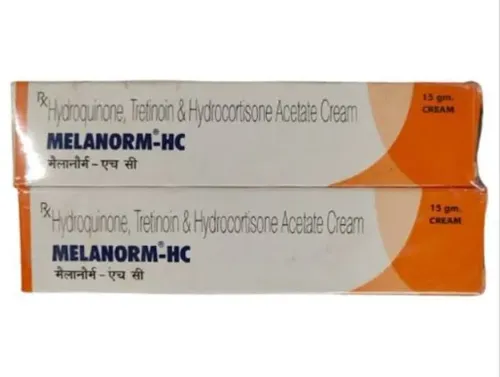
Hydroquinone + Tretinoin + Hydrocortisone is a topical combination used in dermatology, particularly for the management of certain types of facial hyperpigmentation. Each ingredient has a different role: hydroquinone helps reduce melanin production, tretinoin promotes skin-cell turnover, and hydrocortisone is a corticosteroid that can help reduce inflammation and irritation.
Radhakrishna Medmart provides information and assistance regarding dermatological medicines and pharmaceutical products, subject to applicable prescription, regulatory, and import requirements.
Key Ingredients
Hydroquinone
Hydroquinone is a topical depigmenting agent that reduces melanin production and may be prescribed for conditions such as melasma and other forms of hyperpigmentation.
Tretinoin
Tretinoin is a topical retinoid that increases skin-cell turnover. It is commonly prescribed for acne and certain pigmentation-related conditions.
Hydrocortisone
Hydrocortisone is a topical corticosteroid that can help reduce inflammation and irritation. Because prolonged or inappropriate corticosteroid use may cause skin complications, it should be used only as directed by a qualified healthcare professional.
Potential Dermatological Uses
Depending on the formulation and individual diagnosis, this combination may be prescribed for:
Melasma
Certain forms of facial hyperpigmentation
Post-inflammatory pigmentation
Uneven skin tone associated with diagnosed dermatological conditions
Treatment suitability varies between individuals. A dermatologist should determine whether this combination is appropriate.
Important Usage Considerations
This is a potent prescription-type dermatological combination and should not be used without appropriate medical guidance. Possible adverse effects can include redness, dryness, peeling, burning, irritation, increased sensitivity to sunlight, and other skin reactions.
Patients should follow the prescribed frequency and duration carefully. Sunscreen and appropriate sun protection are generally important during treatment for pigmentation disorders.
International Pharmaceutical Information
Interest in dermatological treatments and pigmentation-management products exists across international markets, including:
Countries: India, United States, United Kingdom, Canada, Australia, Germany, France, UAE, Saudi Arabia, Qatar, Kuwait, Singapore, Malaysia, South Africa, and New Zealand.
Cities: Mumbai, Delhi, Bengaluru, Hyderabad, Chennai, Pune, Ahmedabad, Kolkata, Jaipur, London, Toronto, Dubai, Abu Dhabi, Doha, Riyadh, Jeddah, Singapore, Sydney, Melbourne, Johannesburg, Berlin, Paris, and Kuala Lumpur.
Availability, prescription requirements, import regulations, and approved formulations differ by country and city. Buyers and healthcare professionals should verify local regulations before obtaining or importing prescription medicines.
Trending SEO Keywords
Hydroquinone Tretinoin Hydrocortisone
Hydroquinone Tretinoin Hydrocortisone cream
triple combination cream
melasma treatment
hyperpigmentation treatment
facial pigmentation treatment
topical pigmentation treatment
dermatology products
prescription skin treatment
tretinoin for pigmentation
hydroquinone for melasma
dermatological cream supplier
pharmaceutical products
international pharmaceutical supplier
dermatology medicine information
melasma cream information
hyperpigmentation skincare treatment
prescription dermatology products
pharmaceutical export information
dermatology medicines India
Why Medical Guidance Matters
The three active ingredients have different pharmacological effects, so incorrect or prolonged use can increase the risk of irritation and other skin problems. A dermatologist can determine the appropriate formulation, treatment duration, application frequency, and monitoring requirements.
Radhakrishna Medmart recommends consulting a qualified healthcare professional before starting, changing, or extending treatment.
Frequently Asked Questions
What is Hydroquinone + Tretinoin + Hydrocortisone used for?
It may be prescribed for certain pigmentation disorders, including some cases of melasma and facial hyperpigmentation.
Is this combination suitable for everyone?
No. Suitability depends on the patient's skin condition, medical history, current medicines, skin type, and other factors. Professional medical evaluation is recommended.
Can this combination be used for a long time?
Treatment duration should be determined by a healthcare professional. Prolonged use, particularly of topical corticosteroids, can increase the risk of adverse skin effects.
Does tretinoin make skin sensitive to sunlight?
Tretinoin can increase skin sensitivity and irritation. Appropriate sun protection is generally important during treatment.
Can I use this product without a prescription?
Prescription and dispensing requirements vary by country. Patients should follow the regulations applicable in their location and ob